
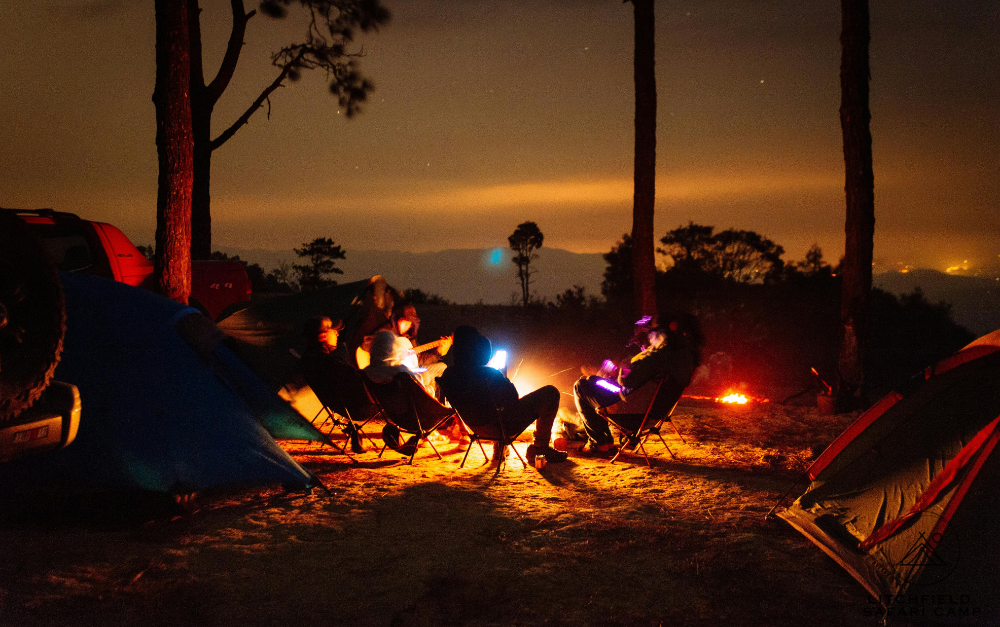
There’s something special about a campfire under a sky full of stars, far from the city lights and daily noise. This is the promise of off-grid camping in Australia, a promise of freedom and a real connection to our landscapes. It’s no wonder a record 15.2 million people spent camping last year.
But the key to that stress-free trip lies in good preparation. Far from just another packing list, this off-grid camping checklist breaks down how to build a scalable off-grid camping setup, with a reliable power system at its core, to make sure your next trip is as sound as it is memorable.
Why a Good Plan Matters More Than a Long List
Forget the simple inventory list of the past. A modern off-grid camping checklist is your system designed to ensure you are not just surviving, but truly self-sufficient and safe in the Australian bush. Your checklist needs to solve the biggest challenge of multi-day trips—keeping food safe in the heat.
This means moving beyond the limitations of melting ice and planning for a reliable power system that can run a proper 12V compressor fridge, guaranteeing your food stays fresh.
Staying in Touch Beyond Mobile Signal
In remote areas where your phone is useless, your checklist becomes a safety document. It must account for a power source capable of keeping your real communication tools—like a UHF radio or a satellite messenger—fully charged and ready for an emergency.
This plan, which includes pre-trip checks of BOM weather and local fire bans, transforms your preparation into a detailed strategy for a secure and comfortable adventure.
The Modern Off-Grid Camping Checklist
Not every outing is a huge expedition, so your equipment should match the trip. Think of your gear in three separate tiers. This approach lets you build your kit over time, adding capability as your trips get more ambitious.
Tier 1 – Essential Camping Gear for Every Trip
Your foundation begins with the non-negotiables. A quality shelter is first, whether that’s a tough canvas swag or an airy tent for hot nights. Your sleeping bag should be rated for the temperatures you’ll actually face.
You also need a way to prepare a hot meal, which is handled by a simple portable stove and a billy can. For water, the rule is to carry more than you expect to use. A headlamp is key for keeping your hands free after dark, along with a remote-area first-aid kit and the reliable backup of a physical map and compass if your GPS fails.
Tier 2: The Comforts for Car Camping
When your car is your base camp, you can bring a new level of ease to your site. This is where you upgrade your camp kitchen with a 12V compressor fridge, a piece of gear that stops the daily chore of finding ice. You can create an outdoor living room with an awning for shade, a couple of sturdy camp chairs, and a portable table.
A portable toilet and camp shower also add a welcome bit of civilisation. This entire tier is made possible by its own central hub: a portable power station, which will quietly run your fridge and keep your lights and devices charged.
Tier 3: The Overlander’s Kit for True Independence
For those long, remote journeys, your equipment shifts its focus to pure capability. You become your own recovery crew, carrying a set of recovery tracks, a tyre deflator, and a 12V air compressor. For safety, a UHF radio becomes a must-have tool for staying in touch where there is no mobile signal.
To enjoy a fire with less impact, a portable fire pit contains the coals. At this level, your power demands grow, requiring a full system to make sure you never run out of electricity.
Setting Up Your Off-Grid Portable Power System
Electricity is what makes a modern off-grid trip safe and comfortable. The best setup is a complete system, not just a single piece of equipment. Think of it as having three key parts—the silent heart of your campsite, the steady solar harvester, and the heavy-lifting workhorse.
Silent Hub: Portable Power Stations
The portable power station is the centre of your campsite’s energy. When picking one, check the battery chemistry. For the bumps and heat of Australian touring, you want a unit built with Lithium Iron phosphate (LiFePO4) batteries, as this technology is more stable and lasts much longer.
You also need to understand two key numbers. Watt-hours (Wh) is your fuel tank—it tells you how much energy the station holds. Watts (W) is your engine—it tells you how much electricity it can supply at once. Matching these numbers to the gear you want to run is how you choose the right unit.
Getting the Most from Your Solar Panels
Your solar panels are the quiet collectors that keep your system charged. To get a decent charge, a good rule is to have a solar array with a wattage that’s at least 20-30% of your power station’s watt-hour capacity.
To get the most from the sun, make sure your setup uses a smart MPPT (Maximum Power Point Tracking) charge controller, which is more efficient, especially in the low light of early morning and late afternoon.
The Generator: Your Heavy-Duty Power Source
A quiet, modern generator is the muscle of your system. Its most important feature is a Pure Sine Wave inverter, which produces clean, stable electricity that is safe for sensitive electronics like laptops and medical devices.
The best way to use your generator is for a daily “Power Hour.” Run your quiet Maxwatt inverter generator for just an hour or two in the late afternoon. In that time, you can completely recharge your power station and run any power-hungry appliances. Then you switch it off and run on the stored energy from your power station all night.
Tips for Staying Safe and Comfortable Off-Grid
A good setup in the bush is about having the right equipment and using it to stay prepared. View your power system as the foundation for your safety and your peace of mind. Follow these tips to stay prepared.
Dealing with the Weather
The weather in Australia can change quickly. Check the forecast before you go, and stay prepared at camp. Your power station can run a fan to give some relief on a hot day or keep your gear charged if you’re stuck in your tent during a storm.
For bushfire safety, a charged power system keeps your phone ready for alerts and can run a radio to hear emergency broadcasts if the phone network is down.
Wildlife and Campsite Safety
You are a visitor in the wild. The best way to avoid unwanted attention from animals is to manage your food and rubbish. Keep all food sealed inside your vehicle, not your tent. At night, good lighting helps keep curious animals away and stops you from tripping over a tent peg in the dark.
Fire Rules and Keeping a Clean Camp
You must know and follow the local fire regulations. If a total fire ban is in effect, it’s the law. This means a gas stove or an electric frypan is your only safe way to cook.
If fires are allowed, use an existing fire pit or a portable one to protect the ground. Always put your fire out completely with water. Pack out everything you pack in, and leave your campsite cleaner than you found it.
Being Ready for Emergencies
Out there, you have to count on yourself. Your power system is a key part of your emergency plan. It keeps your main tools for getting help—your GPS and satellite communicators—charged and ready. You can also use it to run a small 12V pump to move water from heavy jerry cans, which is much safer than lifting them.
Your Off-Grid Adventure Starts with This Checklist
That feeling you get when the bitumen ends and the dirt track begins is the whole point. But real freedom in the bush comes from being properly prepared. A smart gear list and a solid power system turn your campsite from a temporary shelter into a secure base for any trip.
You’re joining hundreds of thousands of camper owners who are figuring out the best way to travel independently. Use this off-grid camping checklist as your roadmap. Plan your trip, pack with confidence, and enjoy the independence that comes from being safely and comfortably off the grid. For more information, visit MaxWatt online today.
Tags: camping generator, generator power, portable solar panels